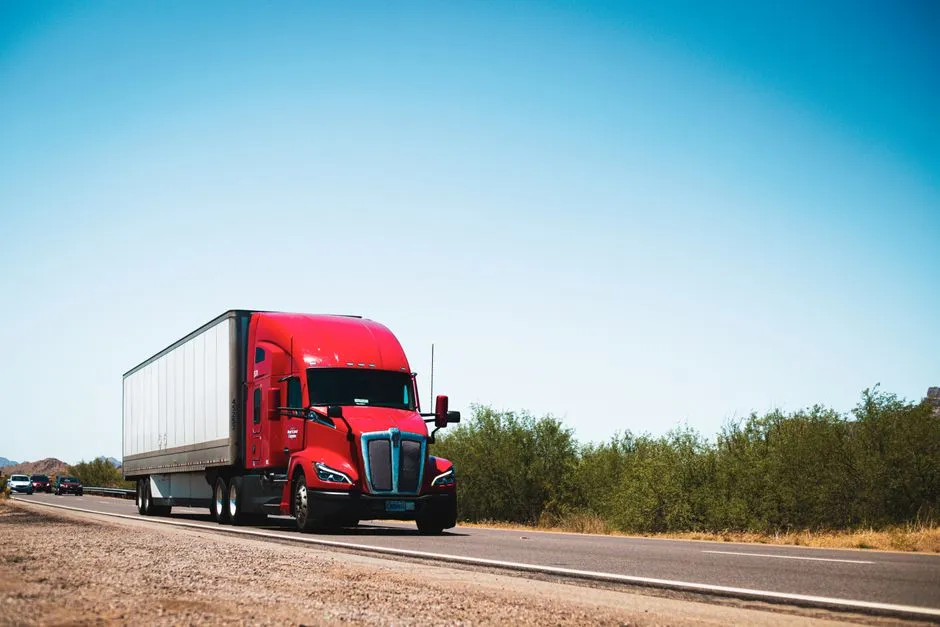
The choice between a Class A and a Class B Commercial Driver's License determines what kinds of vehicles you can legally operate — and, by extension, what kinds of jobs you can apply for. The decision matters more than most new applicants realize.
What each class authorizes
A Class A CDL authorizes operation of any combination of vehicles with a gross combination weight rating of twenty-six thousand and one pounds or more, provided that the vehicle being towed has a gross vehicle weight rating in excess of ten thousand pounds. In practice, that covers tractor-trailers, double trailers, triple trailers, and most heavy-equipment hauling rigs.
A Class B CDL authorizes operation of any single vehicle with a gross vehicle weight rating of twenty-six thousand and one pounds or more, or any such vehicle towing another vehicle not in excess of ten thousand pounds gross vehicle weight rating. In practice, that covers straight trucks, dump trucks, large delivery trucks, school buses, and city transit buses.
A Class A holder can operate any vehicle a Class B holder can operate; the reverse is not true. If you might ever want to drive a tractor-trailer, get the Class A.
The training and testing trade-off
Class A skills tests are noticeably harder than Class B because the candidate must demonstrate competency with a tractor-trailer combination — including coupling and uncoupling the trailer, backing a long combination vehicle, and managing the off-tracking that occurs when the trailer follows a different path than the tractor. Class A training programs run longer (often four to seven weeks of full-time school) and cost more (commonly five to nine thousand dollars at private schools).
Pay differential
Class A holders generally earn meaningfully more than Class B holders in long-haul applications, with the gap widening as endorsements (Hazmat, Tanker, Doubles/Triples) are added. Class B holders working in transit, school bus, or local delivery applications can match or exceed Class A pay in certain markets, particularly large metro areas with strong unionized public transit systems.
Recommendation
If you are starting from zero and are open to long-haul work, the Class A is the more flexible credential. If you have a specific local application in mind — driving for your municipality, operating a school bus, working a defined-route delivery job — the Class B is faster, cheaper, and matched to the work.